Spray Foam Insulation in Lincoln, NE
Open-cell and closed-cell spray foam insulation for Lincoln homes and commercial buildings.
Spray Foam Insulation in Lincoln, NE
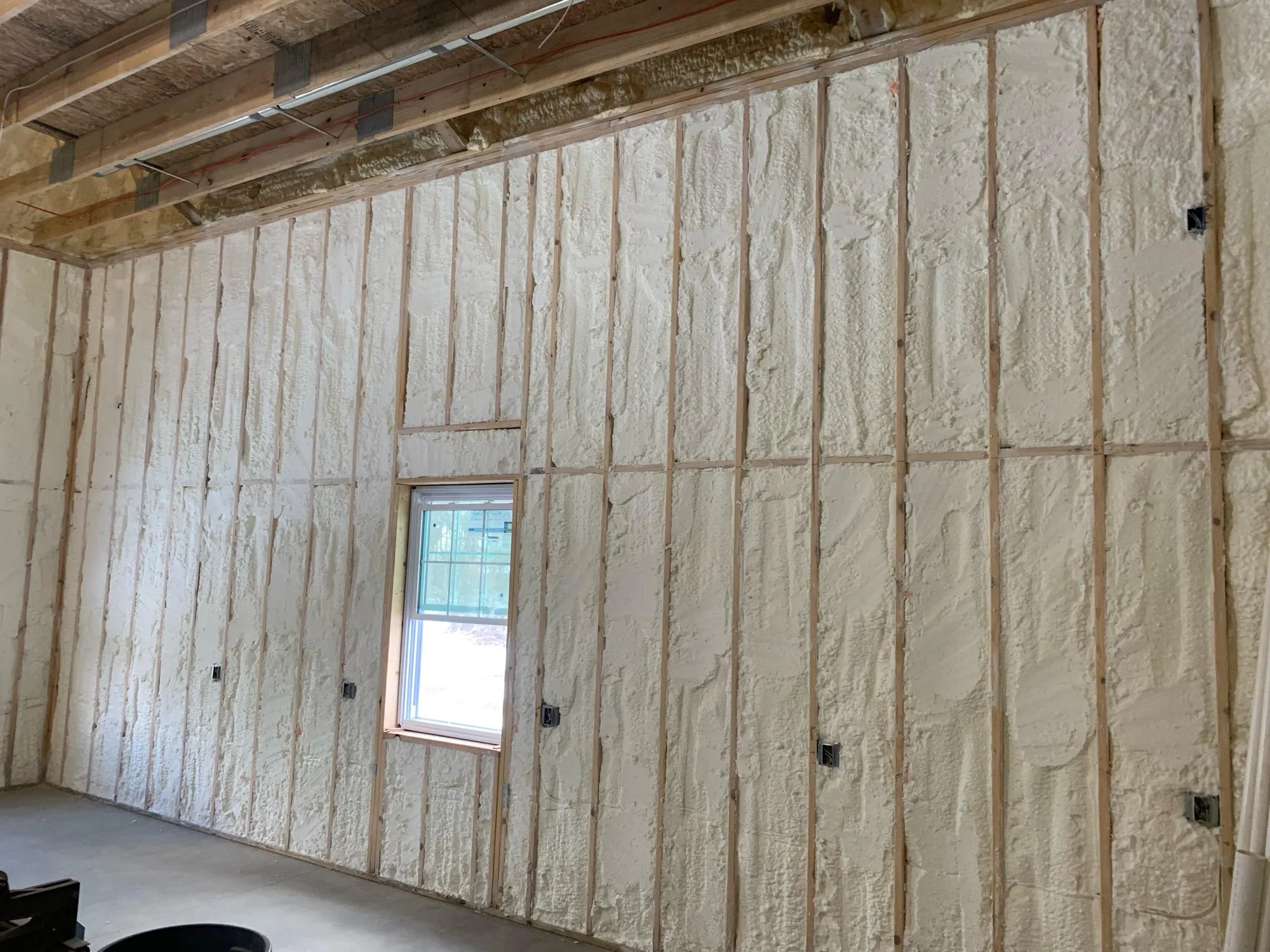
Lincoln Spray Foam Insulation installs open-cell and closed-cell spray foam for residential and commercial buildings in Lincoln, Nebraska. We apply spray foam to floors, walls, attics, crawl spaces and other areas that need insulation against air movement and moisture.
The work starts with the building in front of us. A Lincoln home with an older attic, a commercial space with wall cavities, and a crawl space with moisture concerns do not need the same approach. We look at the area, talk through the goal, and put the recommended scope in writing before work begins.
Call 402-403-0902 or use the estimate form if you want a clear next step for spray foam insulation in Lincoln, NE.
What Spray Foam Does
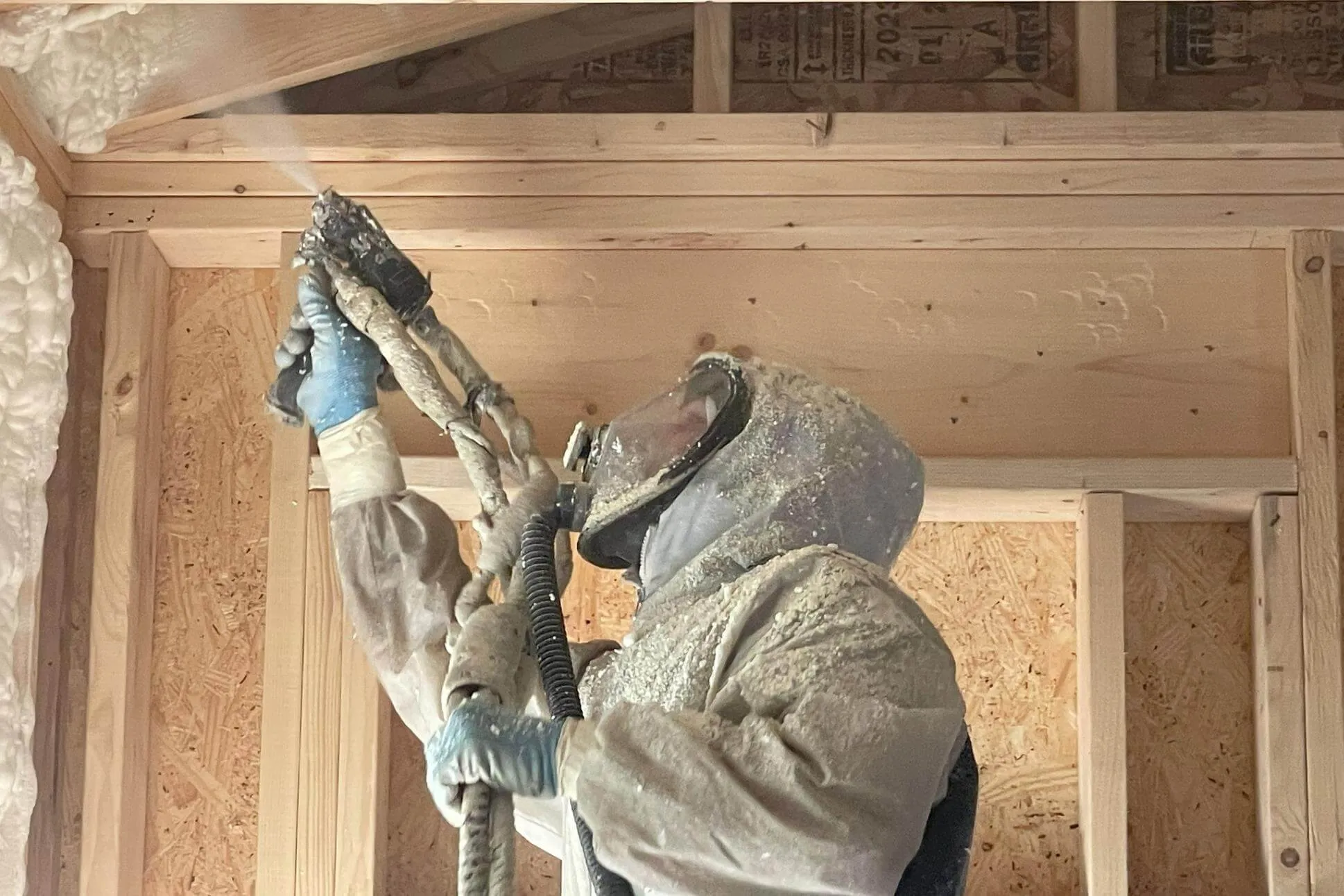
Spray foam is applied as a liquid foam into gaps, cracks and cavities. As it cures, it expands into an insulating layer that can help reduce uncontrolled air movement through the building envelope.
That air-sealing behavior is why spray foam is different from traditional fibrous insulation. Fiberglass, cellulose and other materials can be useful, but they may require separate air-sealing work around seams, penetrations and irregular framing.
In Lincoln, the building envelope has to deal with freezing winter conditions, hot humid summers and steady wind. A tighter assembly helps the heating and cooling system work against fewer leaks.
Open-Cell and Closed-Cell Foam
Open-cell spray foam is a lighter, lower-density material. It can fill larger areas with less product and can support interior applications such as sound dampening.
Closed-cell spray foam is denser and more rigid. It may fit areas where moisture resistance and higher insulating value per inch matter.
Neither option is automatically right for every project. The useful question is where the foam is going, what the assembly needs to do, and whether moisture, access, thickness or budget changes the recommendation.
Where Spray Foam Makes Sense
Spray foam can be considered for attic assemblies, wall cavities, crawl spaces, floors, rim joists, additions, garages and commercial building areas. Soundproof insulation, wall insulation and floor insulation are also project scopes customers may ask about.
Existing buildings often need careful evaluation before installation. Old insulation, tight access, damp areas, roof design and ventilation all affect the plan.
New or open assemblies can be more straightforward because the crew can see the framing, penetrations and transitions before work begins.
Why Hire a Professional Installer
Professional installation is strongly recommended instead of do-it-yourself spray foam work. Spray foam requires the right equipment, preparation, protective practices and application judgment.
Professional installation also helps avoid thin coverage, missed gaps and cured mistakes that are difficult to correct. A good estimate should explain what area will be insulated, what material is being recommended and what must happen before spraying starts.
Lincoln Spray Foam Insulation keeps the process simple: discuss the property, evaluate the area, provide a written estimate and install the agreed scope.
Estimate and Project Expectations
The estimate should make the scope and price clear before work begins, and the customer should understand what happens next.
For most owners, the first call does not need to solve every technical question. A basic description of the property, the area causing concern and the city or ZIP code is enough to start the conversation.
From there, the team can help decide whether spray foam insulation, attic insulation or another insulation approach is the right fit for the building.
Common Spray Foam Project Areas
Attics and Rooflines
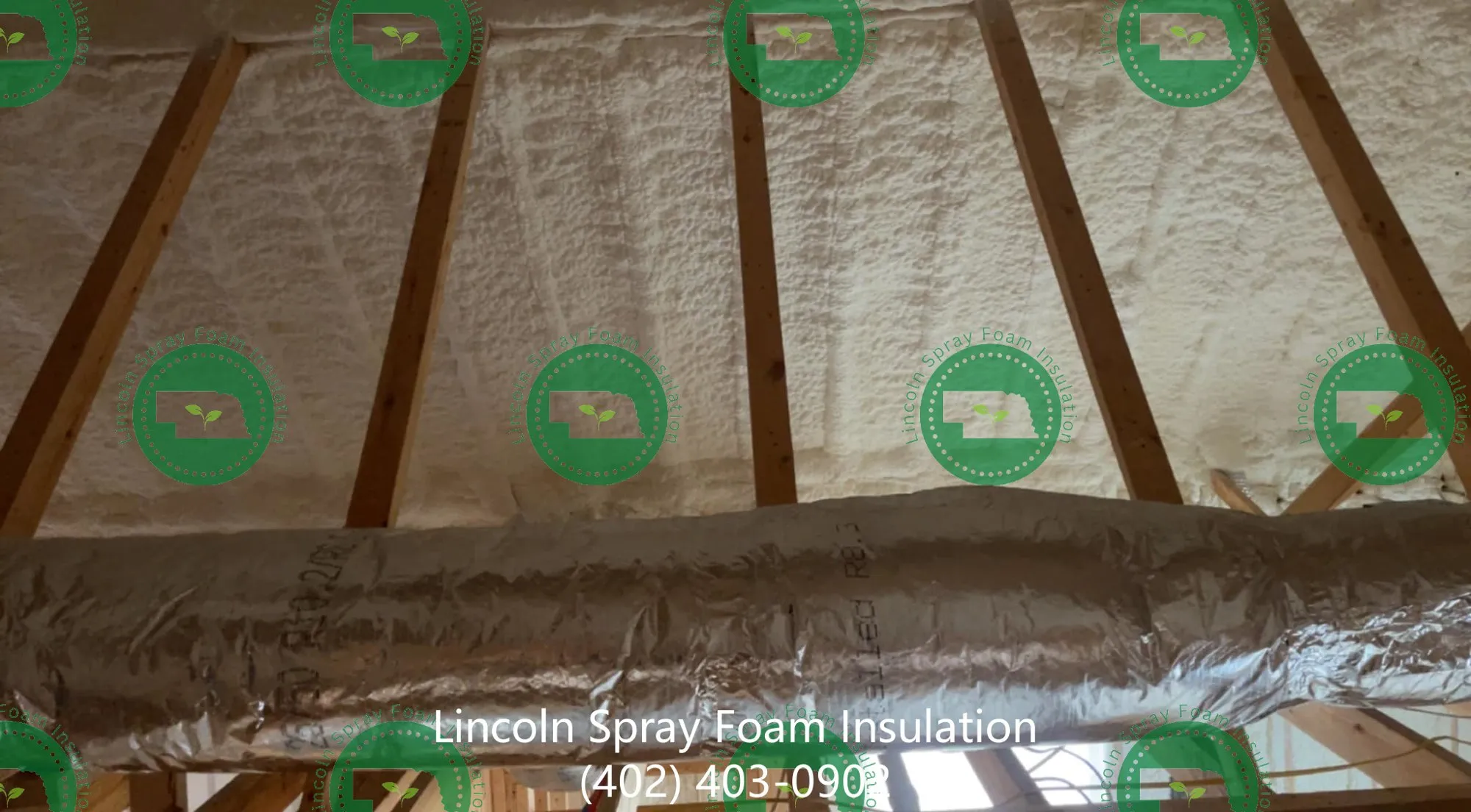
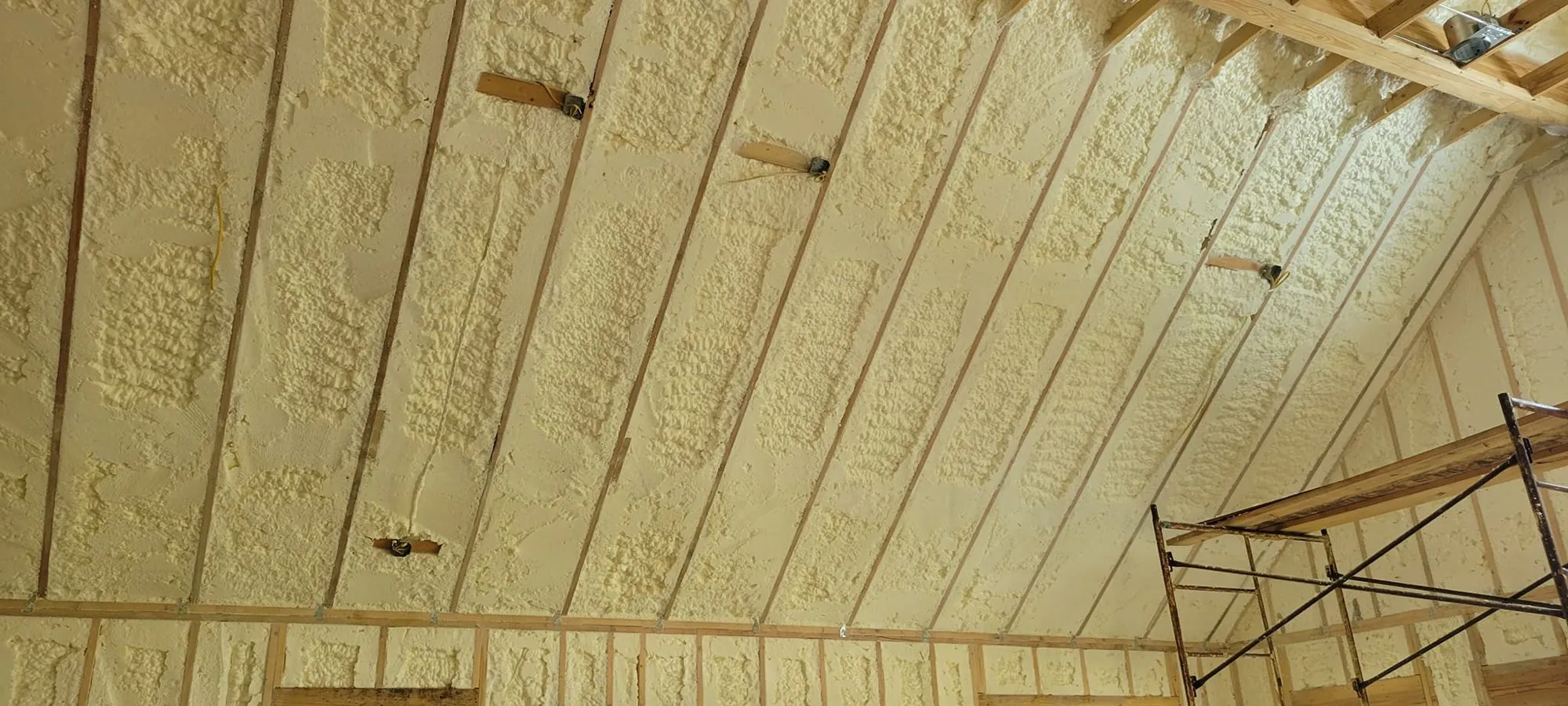
When the attic is part of the comfort problem, spray foam may be considered after ventilation, moisture and existing insulation are reviewed.
Crawl Spaces and Floors
Crawl space and floor insulation are project scopes where air and moisture control can matter.
Walls and Additions
Open framing, remodels and additions can allow foam to reach cavities and transitions before finishes are installed.
Commercial Spaces
Commercial buildings may use spray foam where a tighter, more continuous insulation layer is useful.
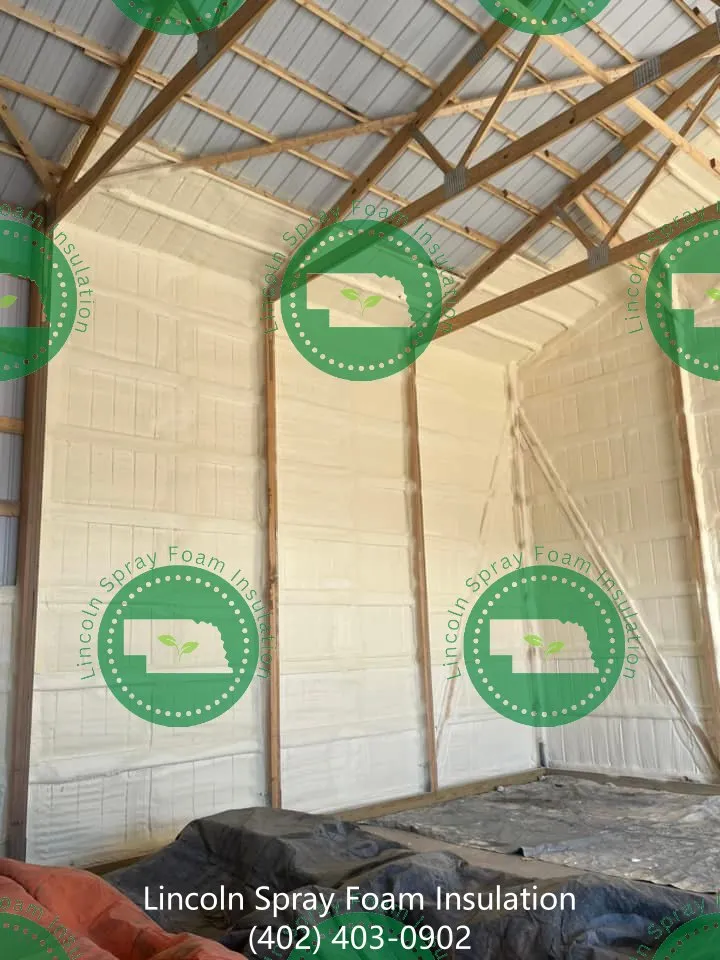
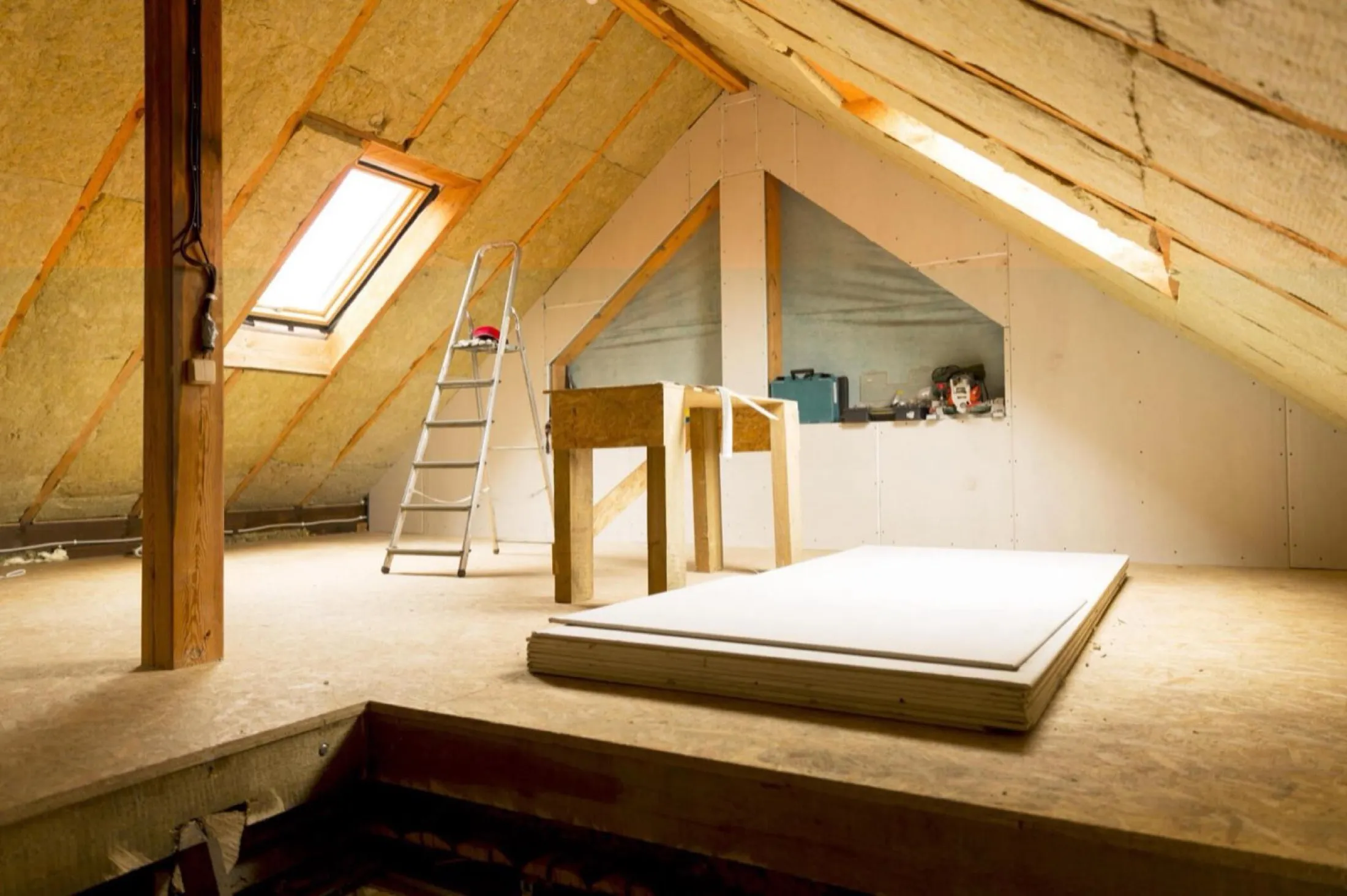
What Professional Spray Foam Work Looks Like
Spray Foam Insulation Questions
Is spray foam insulation a good fit for Lincoln buildings?
It can be, especially where the project calls for insulation and air sealing together. The right answer depends on the space, moisture conditions, access and the assembly.
How much does spray foam insulation cost?
Cost depends on the area being insulated, foam type, thickness, access and prep. Estimates are free and provided in writing before work begins.
Do you install open-cell and closed-cell foam?
Yes. The recommended material depends on where the foam is going and what the building needs.
Can spray foam be used in existing homes?
Yes. Existing attics, crawl spaces, walls, floors and other retrofit areas may be candidates after the space is evaluated.
Want to Know What Your Project Would Cost?
Tell us about the property and we will help you determine the next step.
Free Written Estimates • No Obligation • Serving Lincoln, NE